Why Is Physical Activity So Important for Our Health, Energy and Inner Balance?
In our busy everyday lives, we often put everything else first – work, family, household responsibilities and the endless list of tasks that never seems to end. We promise ourselves that we will start exercising on Monday, eat more healthily and find more time for ourselves. Yet sometimes weeks go by, and we continue to put it off.
The truth is that self-care is not a luxury; it is a necessity. One of the best ways to improve our physical and emotional wellbeing is to incorporate more movement into our daily routines.
Sport is not just a way to improve our figure or lose a few pounds. It is an investment in our health, confidence, energy and overall quality of life.
1. The Benefits of Exercise Go Beyond Appearance
When we think about physical activity, we often focus on weight loss, a toned body and looking good. Of course, regular exercise can help us maintain a healthy weight and improve muscle strength and tone. However, its benefits go much further.
Physical activity supports heart health, strengthens muscles and bones, improves sleep and can help reduce feelings of stress and anxiety.
Regular movement can also make it easier to cope with everyday challenges. When we feel physically better, we often have more energy and motivation to stay active, socialise, explore our interests and take better care of ourselves.
That is why you should not measure your progress solely by the numbers on the scales. Pay attention to how well you sleep, how you feel, how much energy you have and whether you are becoming more confident.
2. You Don't Need to Spend Hours at the Gym
One of the most common reasons people avoid exercise is a lack of time. Between work, family commitments and personal responsibilities, finding even half an hour for a workout can sometimes seem impossible.
The good news is that you do not need to start with intense workouts or complicated exercise programmes.
You can become more active by making small changes:
Go for a brisk walk every day.
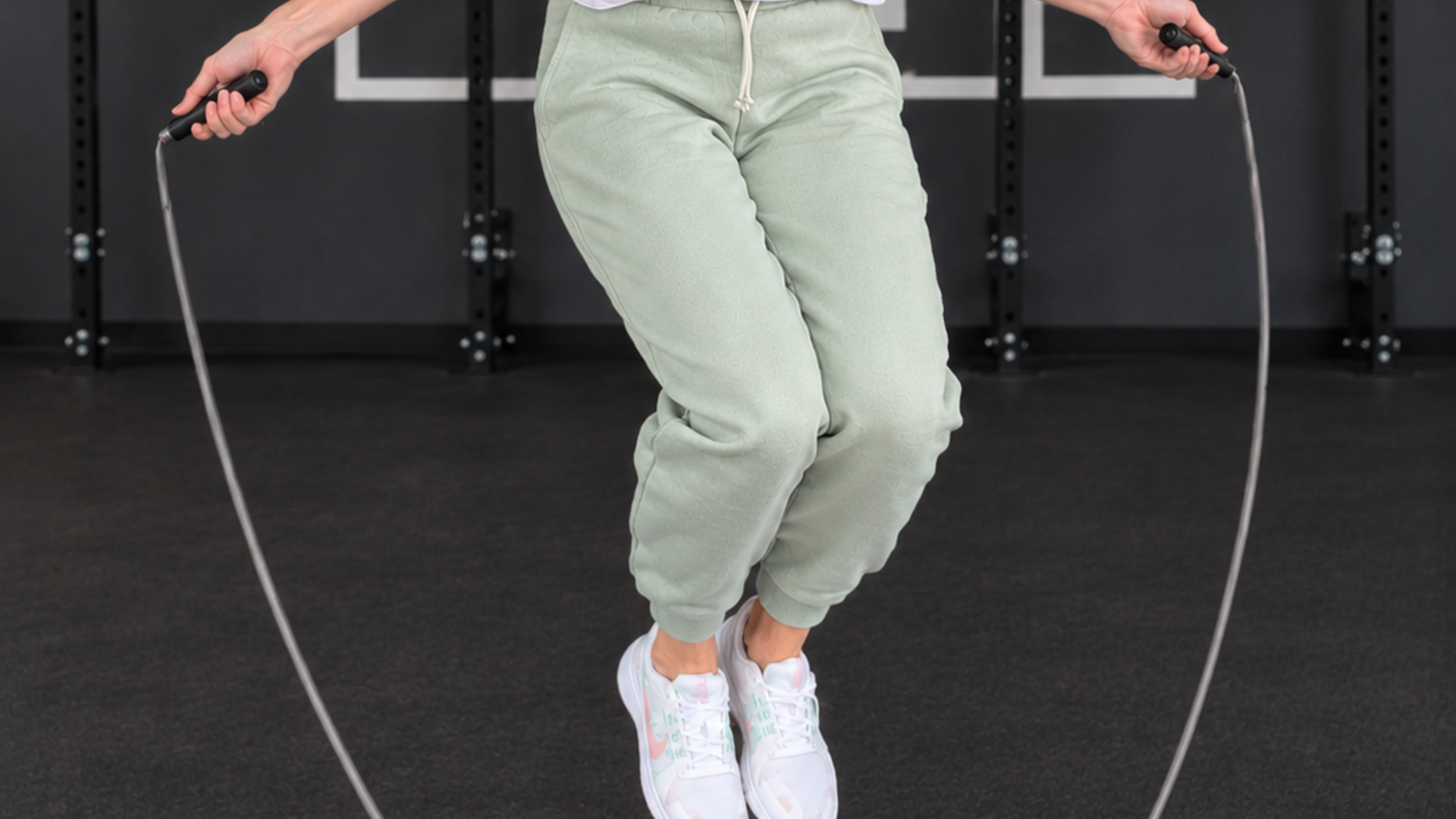
Try short workouts at home.
Take the stairs whenever possible.
Dance to your favourite music.
Cycle or swim if you enjoy these activities.
Get up and move regularly if you spend long periods sitting at work.
The most important thing is to start at a level that suits you and gradually increase your activity.
According to UK physical activity guidelines, adults should aim for at least 150 minutes of moderate-intensity activity each week, along with muscle-strengthening activities on at least two days a week. However, remember that doing some physical activity is better than doing none at all.
3. How to Choose a Sport You Actually Enjoy
Not everyone enjoys going to the gym, and that is perfectly fine.
Some people feel fantastic when running outdoors. Others prefer yoga, Pilates, strength training, swimming or long walks in nature.
You do not need to follow someone else's routine to achieve good results. Instead, try different types of physical activity and discover what makes you feel good.
If you love music, try dancing. If you need some peace and quiet, yoga or walks in the park might suit you. If you prefer exercising alone, home workouts are a convenient option that allows you to move at your own pace and according to your own schedule.
When exercise is enjoyable, it becomes much easier to turn it into a habit.
Don't look for the perfect workout. Find a form of movement that makes you want to come back tomorrow.
4. Exercise and Mental Wellbeing: A Connection We Shouldn't Overlook
Sometimes, it is not our bodies but our minds that feel exhausted.
Accumulated stress, endless responsibilities, lack of sleep and little time for personal interests can leave us feeling drained and unmotivated.
During these moments, physical activity can be a valuable part of self-care. A walk in the fresh air, a short workout or a few minutes of dancing can help us change our surroundings, release tension and feel better.
Of course, exercise is not a universal solution to every emotional difficulty. However, regular physical activity can support mental wellbeing and play an important role in a more balanced lifestyle.
Sometimes, the best thing we can do for ourselves on a difficult day is simply to get up, go outside and give ourselves a little time.
5. How to Stay Motivated When the Initial Enthusiasm Fades
It is easy to feel motivated at the beginning. We buy new sportswear, create a plan and promise ourselves that this time things will be different.
The real challenge comes when we feel tired, run out of time or fail to see results as quickly as we had hoped.
Here are some practical tips to help you stay on track.
Start with small goals. Instead of planning to exercise every day, begin with two or three sessions a week.
Create a routine. Choose specific days and times for physical activity. This will make it easier to incorporate exercise into your daily life.
Don't compare yourself to others. Everyone has a different body, different abilities and a different lifestyle. Compare your present self with the person you were a little while ago.
Make rest part of the process. Recovery is important. You do not need to train intensely every day to stay active and make progress.
Don't give up because you missed one day. Missing a workout does not undo everything you have achieved. Simply get back to your routine when you can.
Remember, consistency matters more than perfection.
6. Combine Exercise with a Balanced Diet
Feeling good involves more than just moving our bodies. Our eating habits, sleep, hydration and time for rest all play an important role.
Aim for a varied diet that includes vegetables, fruit, wholegrains, sources of protein and healthy fats. Drink enough water and try to maintain a regular sleep routine.
You do not need to follow extreme diets or eliminate entire food groups without a specific reason. A healthy lifestyle should be sustainable and allow you to enjoy food without constantly feeling guilty.
If your goal is to lose weight, combining appropriate physical activity with balanced eating can support your progress. Give yourself time and do not expect changes to happen in just a few days.
Your body deserves care, not punishment.
7. A Simple Weekly Plan for a More Active Lifestyle
If you are unsure where to begin, try following this simple plan. Adapt it to suit your abilities, fitness level and daily routine.
Monday: 20–30 minutes of brisk walking.
Tuesday: A short full-body strength workout.
Wednesday: A walk or some gentle outdoor activity.
Thursday: Strength and stability exercises.
Friday: Dancing, cycling or another activity you enjoy.
Saturday: A longer walk in nature.
Sunday: Rest or gentle movement, depending on how you feel.
This is an example rather than a strict programme. You can start with shorter sessions and adjust the plan to fit your lifestyle. If you have health-related limitations or experience pain during movement, seek appropriate advice from a healthcare professional or physiotherapist before increasing your activity levels.
8. Don't Wait Until Monday to Start
We often postpone change because we believe we need more time, better fitness or ideal conditions.
But there is no perfect moment when all our obstacles magically disappear.
You can start today with a ten-minute walk. Tomorrow, you could try a few simple exercises at home. Next week, you might discover a new sport.
Small actions, repeated regularly, can gradually become habits that improve your everyday life.
You do not need to change your entire life in one day. All you need to do is take one small step in the right direction.
Conclusion: Move for Yourself
Sport is about much more than looking good. It is a way to care for our health, maintain our strength, release tension and build a better relationship with our bodies.
Do not let a lack of time, fear of failure or comparisons with others hold you back. Start where you are today and move at your own pace.
At Fitt Balanced Life, we believe that a balanced lifestyle is built through small, mindful choices – eating better, staying active, getting enough rest and making time for the things that bring us happiness.
Because real change is not just about how we look. It is also about how we feel, think and live.
Take one small step today. Your healthier, more energetic self will thank you for it.
Healthy Life, Sport
sport and a healthy lifestyle