
Curcumin – The Natural Power of Turmeric and Its Potential Health Benefits
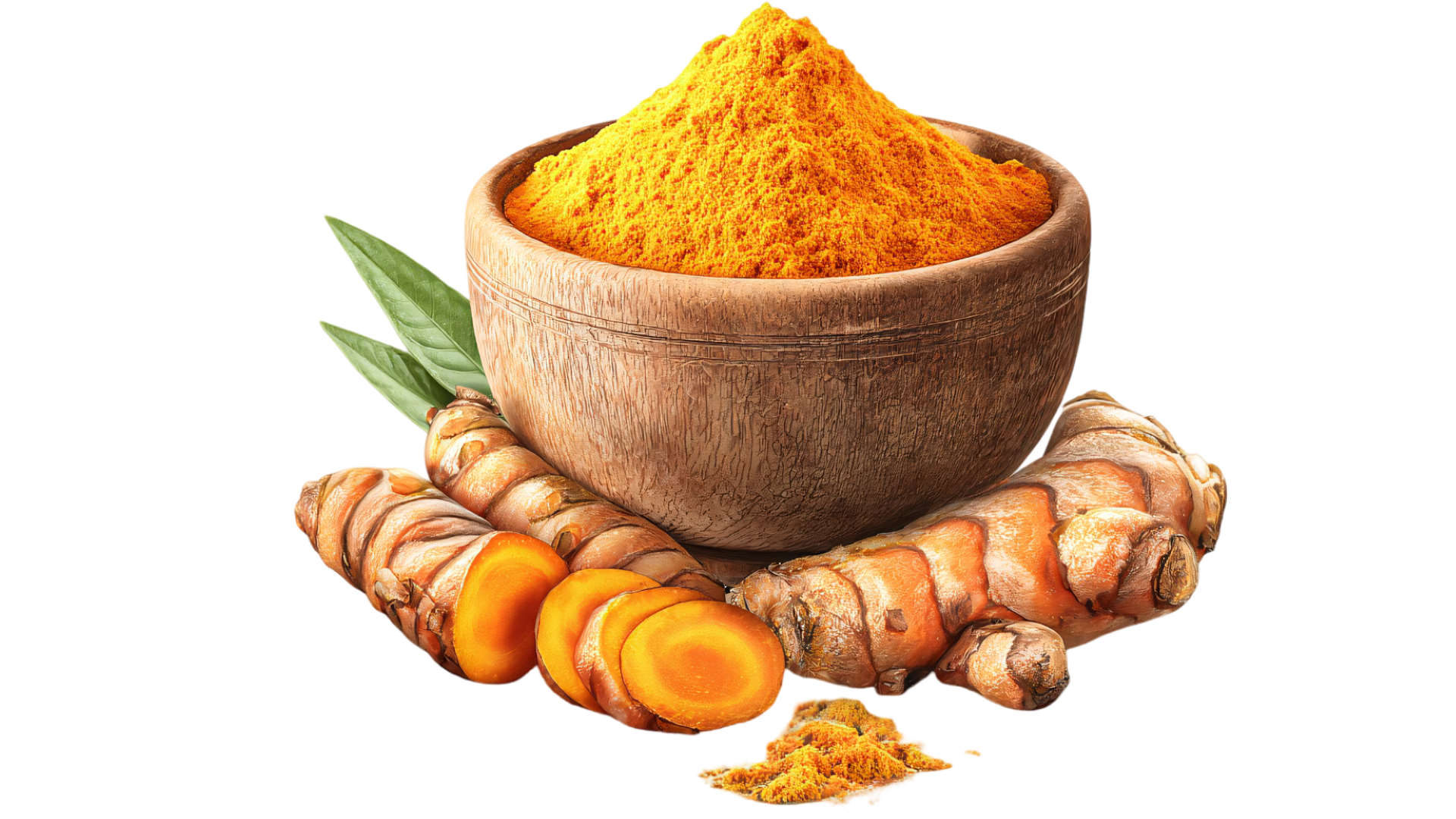
Curcumin is a naturally occurring active compound found in turmeric – a well-known golden-yellow spice that has been used for centuries in traditional cooking and medicine. In recent years, it has attracted increasing attention because of its potential anti-inflammatory and antioxidant properties.
But what exactly does curcumin do, who may benefit from taking it, and when is it best to use it?
What Are the Potential Benefits of Curcumin?
Curcumin is being studied for several potential effects on the body:
Anti-inflammatory properties – it may influence certain processes involved in inflammation in the body.
Antioxidant protection – it has the ability to neutralise free radicals, which contribute to cellular damage.
Joint support – some clinical studies suggest that it may help reduce pain and stiffness in people with osteoarthritis.
Support for overall health – researchers are investigating its potential effects on metabolic health and certain cardiovascular health markers.
It is important to understand that, although the research is promising, current evidence does not prove that curcumin can cure diseases or that everyone needs to take it.
Who May Benefit from Curcumin?
Curcumin may be of interest to:
People experiencing joint discomfort and stiffness.
People who engage in regular physical activity and are looking for additional support for recovery.
Those interested in antioxidant protection and maintaining a healthy lifestyle.
People who want to complement a balanced diet with nutritional supplements.
However, curcumin should not replace a varied diet, regular exercise, sufficient sleep or prescribed medical treatment.
When and How Should It Be Taken?
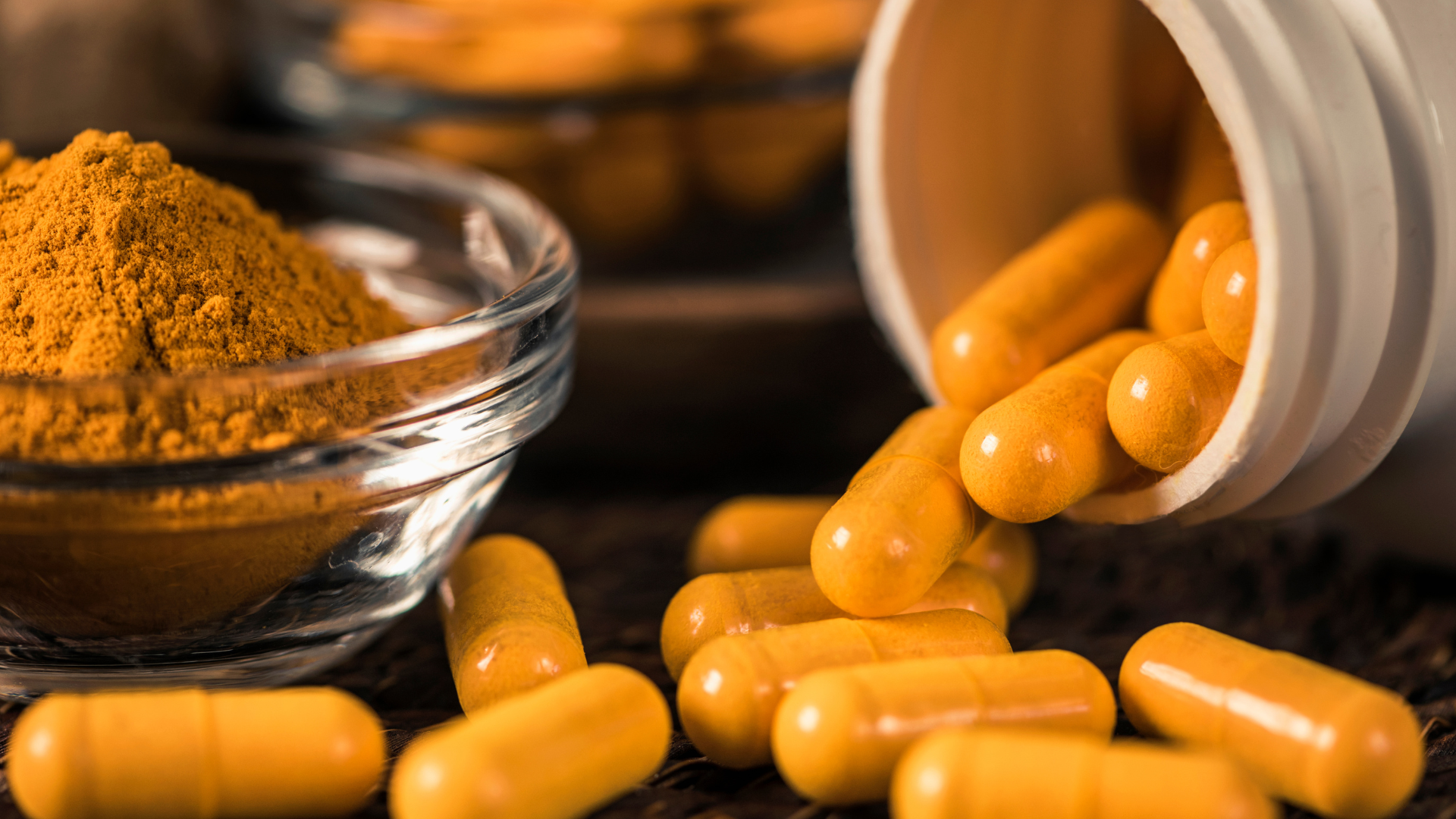
Curcumin is available in different forms, including capsules, tablets and powder. It is important to know that natural curcumin is relatively poorly absorbed by the body.
Some supplements contain piperine (an extract of black pepper) or specially formulated ingredients designed to improve absorption. However, better absorption does not automatically mean greater safety.
It is generally taken with food, following the instructions provided with the specific product.
There is no universally established dose suitable for everyone.
There is no convincing evidence that taking it in the morning or evening offers a particular advantage.
Long-term use of high doses without professional advice is not recommended.
Who Should Be Careful?
Despite its natural origin, curcumin is not suitable for everyone.
Particular caution is needed for:
People taking blood-thinning medication.
People with liver conditions, gallstones or bile duct problems.
Pregnant or breastfeeding women.
People taking regular medication, as interactions may occur.
In rare cases, turmeric and curcumin supplements have been associated with liver injury. If you experience yellowing of the skin, dark urine, unusual tiredness or nausea, stop taking the supplement and seek medical advice.
Conclusion
Curcumin is an interesting natural compound with potential health benefits, particularly in relation to inflammatory processes and joint comfort. Research is ongoing, but it is important to distinguish promising findings from established medical evidence.
The best approach is to consider curcumin as a possible addition to a healthy lifestyle, rather than a replacement for balanced nutrition or appropriate medical care.
Good health is not built around one supplement. It comes from consistency, informed choices and taking care of your body every single day!
Healthy Life
sport and a healthy lifestyle, Curcumin