Protein: Basics and Importance
Protein is an essential component of bones, muscles, and skin. It is necessary for the production of hormones, enzymes, and other biochemical substances vital for the functioning of the body.
Benefits of Protein Supplements
There are different types of protein powders that support muscle building, tissue repair, and enzyme and hormone production. Protein supplements can help with weight loss and muscle toning by prolonging satiety. This can lead to reduced portion sizes and meal frequency, helping to maintain a healthy weight.
Additionally, protein has the ability to lower blood pressure, total cholesterol, and other risk factors for cardiovascular disease. It is essential for muscle growth, with many athletes consuming protein shakes to increase muscle mass after training.
Protein supplements have been shown to improve muscle size and strength in healthy adults who perform resistance exercises such as weightlifting. They are equally effective in both men and women, although effectiveness may decrease with age due to higher protein needs in older adults.
Muscle Recovery and Growth
Protein also helps repair damaged muscles and tissues. For this reason, athletes often use protein powder to speed recovery after muscle soreness and intense training.
Types of Protein Powder
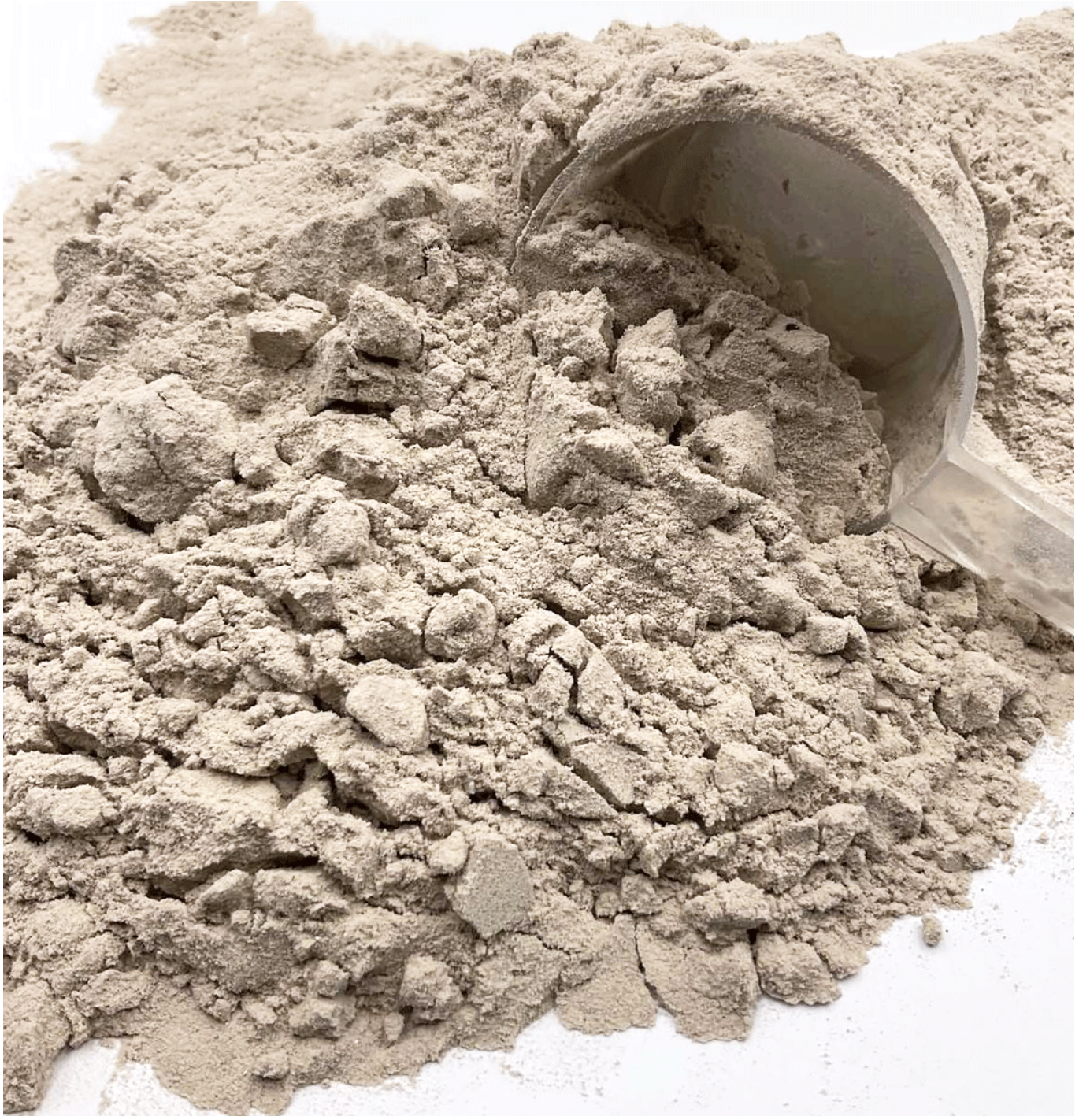
There are different types of protein powders on the market, with whey protein being the most popular. Some of the main types include:
- Whey: A water-soluble milk protein that contains all the necessary amino acids. The body absorbs it quickly and easily.
- Casein: Rich in glutamine, an amino acid that accelerates muscle recovery. It is absorbed more slowly, making it suitable for taking at night.
- Soy: An alternative for those who do not consume dairy products, also containing all the essential amino acids.
- Pea: High-quality vegetable protein, suitable for vegans and people with dairy allergies.
- Hemp: A complete protein that also contains essential fatty acids, ideal for vegans or people with milk and soy allergies.
Using Protein Powders
Before using protein powders, it is important to calculate nutritional requirements. People who do not get enough protein from their diet may consider supplements. However, excessive consumption of protein should be avoided.
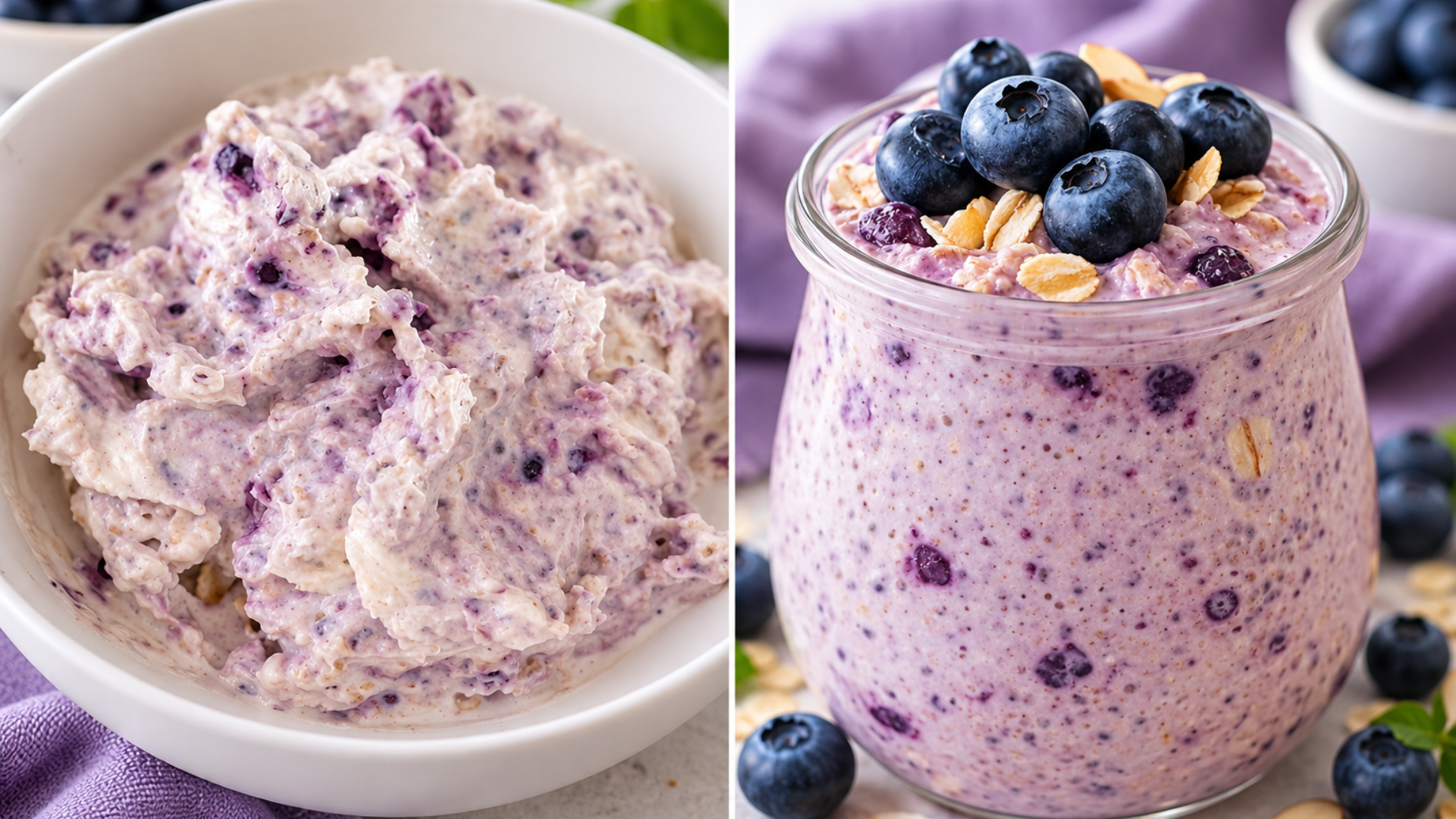
Protein powder can be mixed with water, milk, or fruit smoothies, depending on the individual's preferences and needs.
Sport
Banana, Vanilla, Protein