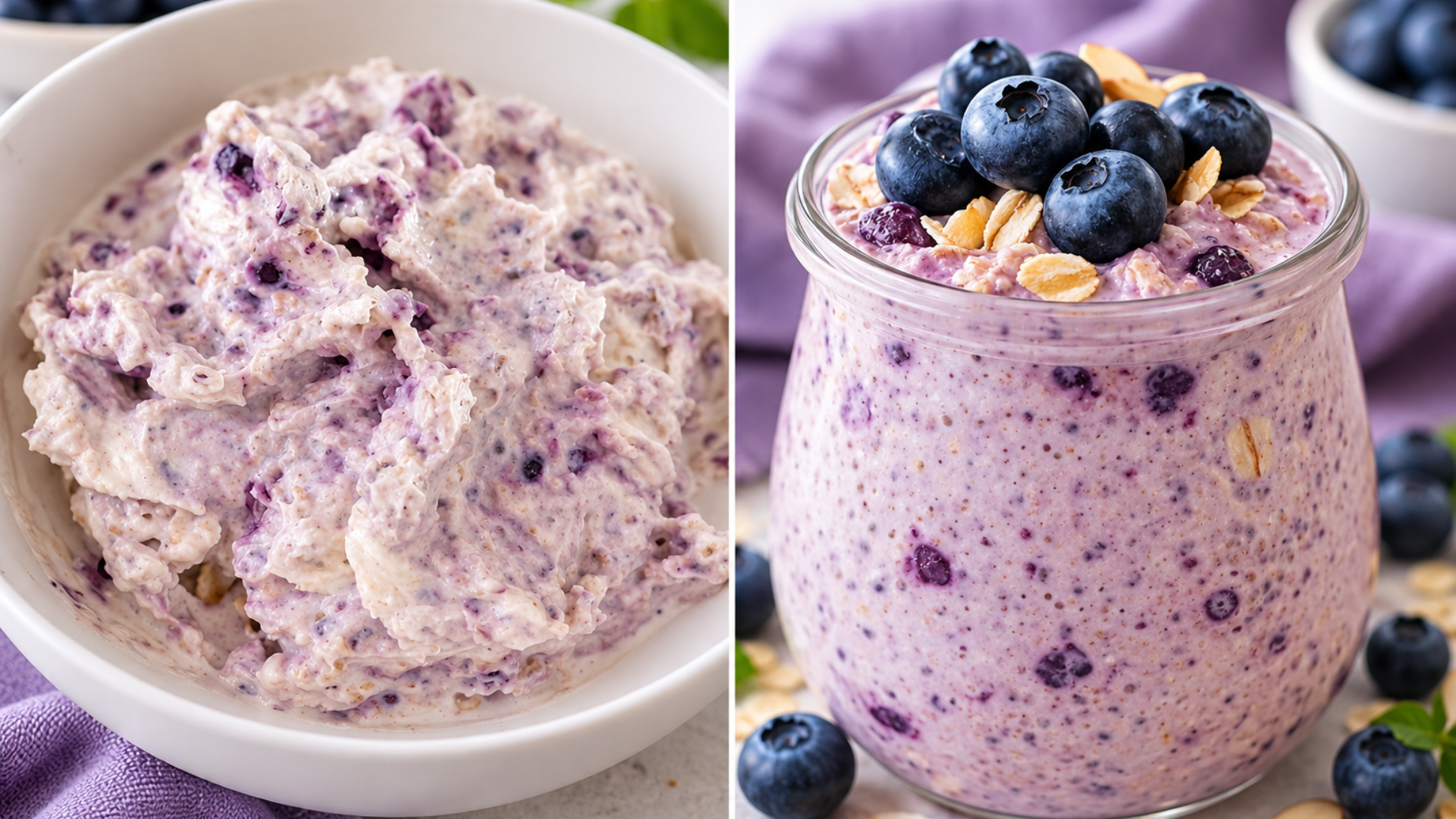
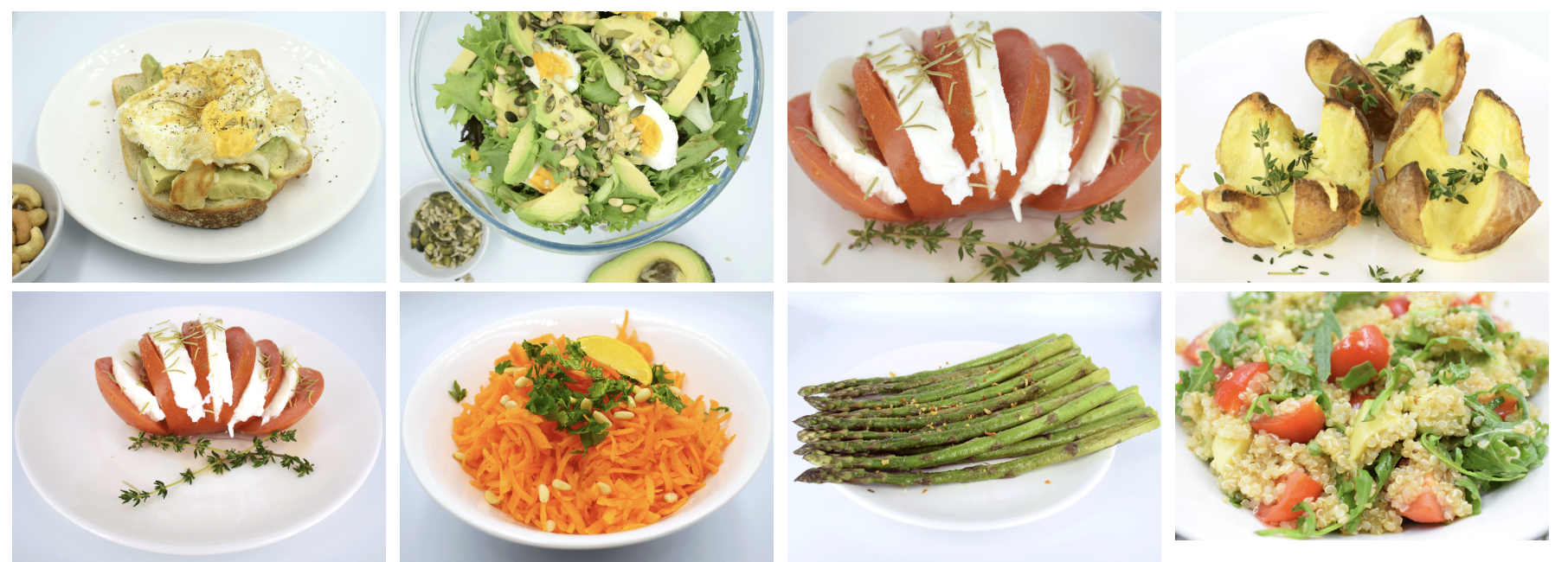
I’m not a professional cook, but I always try to make my food look interesting and appealing. What really matters isn’t perfect recipes, but the choices we make every day and the control we have over them – so that our eating habits can be sustainable in the long run.
Everyone is different, with different tastes, preferences, and goals. That’s why there is no one-size-fits-all approach. The key is to find a way of eating that makes you feel good and full, while still including lower-calorie and lighter ingredients.
To make food more enjoyable, I like to use ingredients that go a long way in improving flavour and texture without adding unnecessary calories. Spices, fresh herbs, chilli, and garlic are a brilliant way to enhance the taste of lighter meals.
It’s important to understand that a “perfect diet” doesn’t exist. Especially when it comes to gatherings with loved ones, celebrations, or birthdays – there will always be moments when we step off track. And that’s completely normal.
No matter how often we tell ourselves “I’ll never eat my favourite foods again,” the truth is that it rarely works long-term. A better approach is balance – if you eat well most of the time, one indulgence won’t undo your progress.
Just get back to your routine the next day and keep going. And most importantly, enjoy your food.
5 small changes for better health and lower blood pressure
1. Regular physical activity
Try to be active every day with moderate-intensity exercise, gradually building up to at least 150 minutes per week. Even 10-minute sessions make a difference.
2. Maintain a healthy weight
For many people, even a small amount of weight loss can significantly help reduce blood pressure.
3. Watch your alcohol intake
It’s recommended not to exceed 14 units of alcohol per week, spread over at least three days. That’s roughly equivalent to one bottle of wine and two pints of lower-strength beer.
4. Quit smoking
Smoking causes an immediate rise in blood pressure and has long-term negative effects on cardiovascular health.
5. Reduce salt intake
Salt isn’t only found in obvious foods like crisps and bacon, but also in bread, cereals, and biscuits. Reducing it can have a major positive impact on your health.